
Nash County Arrest Log Limits
No official Nash County page offers a public 72-hour, weekly, or rolling booking blotter. The sheriff and detention pages stay basic. They cover agency and jail information only. Neither states an archive depth, a photo policy, an update schedule, or a correction rule. Treating a private archive as the official Nash County log would simply be wrong.
A good multi-day search works backward across sources instead. Start with an approximate date and the agency involved. Then check court filings and the department that made the arrest. City event data only covers that one city's activity. Private indexes can point toward an older entry, though each result still needs official confirmation. Keep one rule in mind. A name absent from one source does not prove no booking happened.
Read the Nash County Blotter
There is no single Nash County blotter to scroll through. The real task is assembling a date-based record trail. Save the exact URL and access date whenever a page keeps changing.
- Fix the likely arrest date, municipality, and responsible agency.
- Check the Nash County eCourts route for party name, case status, hearings, and disposition.
- For Rocky Mount, review its official Police2Citizen daily bulletin, while confirming whether the event occurred in Nash or Edgecombe County.
- Ask the Sheriff, detention facility, or municipal police records office for the underlying report when the public window is absent.
- Consult private archives only after official channels, and verify the charge, date, and identity against the court or agency record.
Fresh intake and current confirmation live on the 24 Hour Arrests page. This log view asks different questions. What survives after several days, where did the entry come from, and how does later court action change its meaning?
Nash Arrest-Log Entry Fields
Fields differ sharply by source. Police event logs describe calls and reports; court records describe proceedings. Private booking indexes may show intake fields and photographs. Read each label before assuming two dates or identifiers mean the same thing.
| Field | How to read it |
|---|---|
| Name and aliases | Confirm spelling, suffix, age, and agency before matching. |
| Booking date | Separate intake time from publication or refresh time. |
| Arresting agency | Identifies the likely keeper of the arrest report. |
| Incident location | Helps resolve city and county jurisdiction without inferring an exact address. |
| Charges | Charges at that stage, subject to later court changes. |
| Bond | A changeable release-condition field, not a judgment. |
| Case number | Connects the lead to hearings and disposition in court. |
| Photograph | May be old, missing, or privately copied; it does not prove guilt. |
County jail IDs, court case numbers, and N.C. Department of Adult Correction offender numbers are three different things. Combining them invites false matches. A released person may drop out of a custody service while the arrest report and court file live on.
Private Nash Arrest Archives
Beyond official sources, Busted Newspaper's Nash County section offers a deeper private index of booking dates, charges, bond fields, and often photographs. Its own warnings admit the facility-derived content can be stale or wrong. Nash County does not operate it, and it cannot establish the county's archive depth.
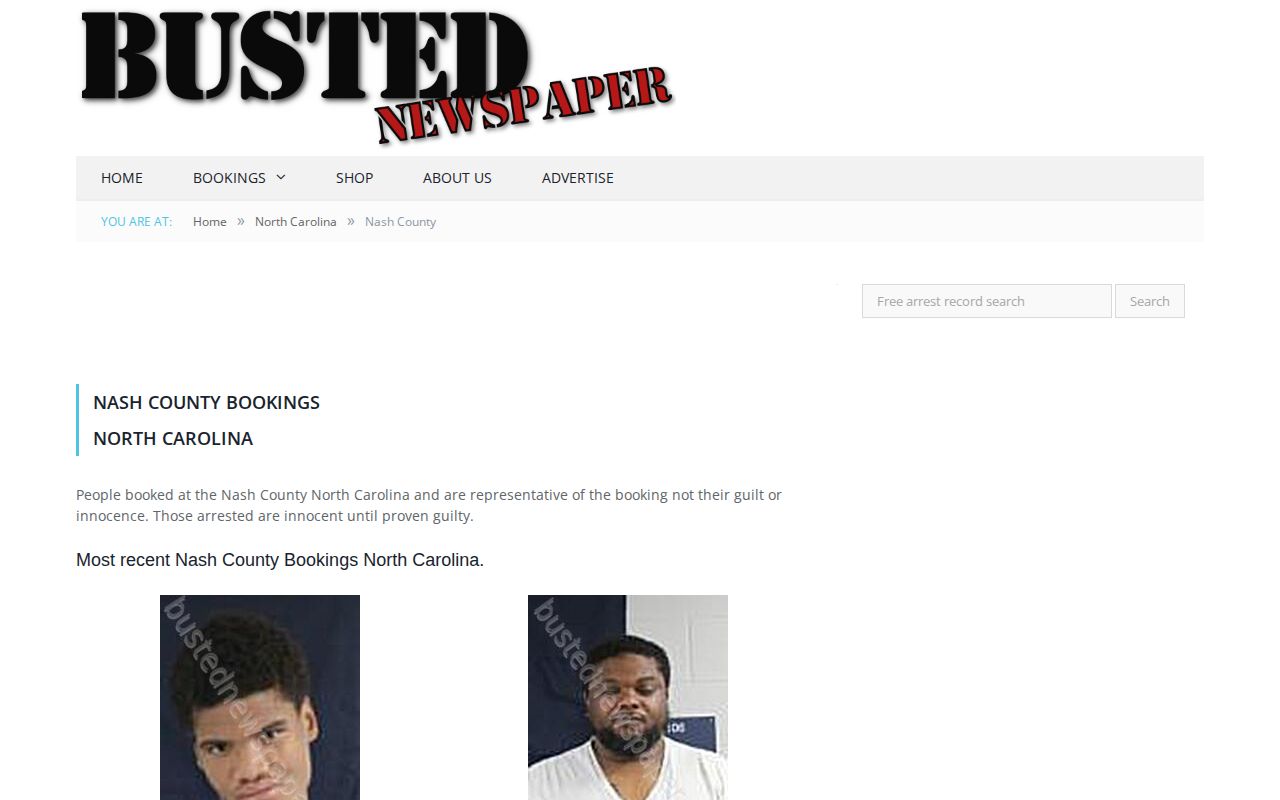
Mugshots.zone's Nash index is another privately run, date-oriented source. It lists names, charges, and bond-related data. It offers no verified county update cadence and no official relationship. RecentlyBooked shows a shorter 30-day view. Treat these services as leads only. Confirm any entry through the originating agency and the court. None of them controls the official arrest or court record.
Rocky Mount Event Log Boundaries
The Rocky Mount Police2Citizen portal is the strongest official city event log available. Its daily bulletin and public reports help identify police activity across a date range. Still, it is a municipal tool, not a Nash County jail-booking archive. It may list non-arrest events. Rocky Mount itself also spans two counties.
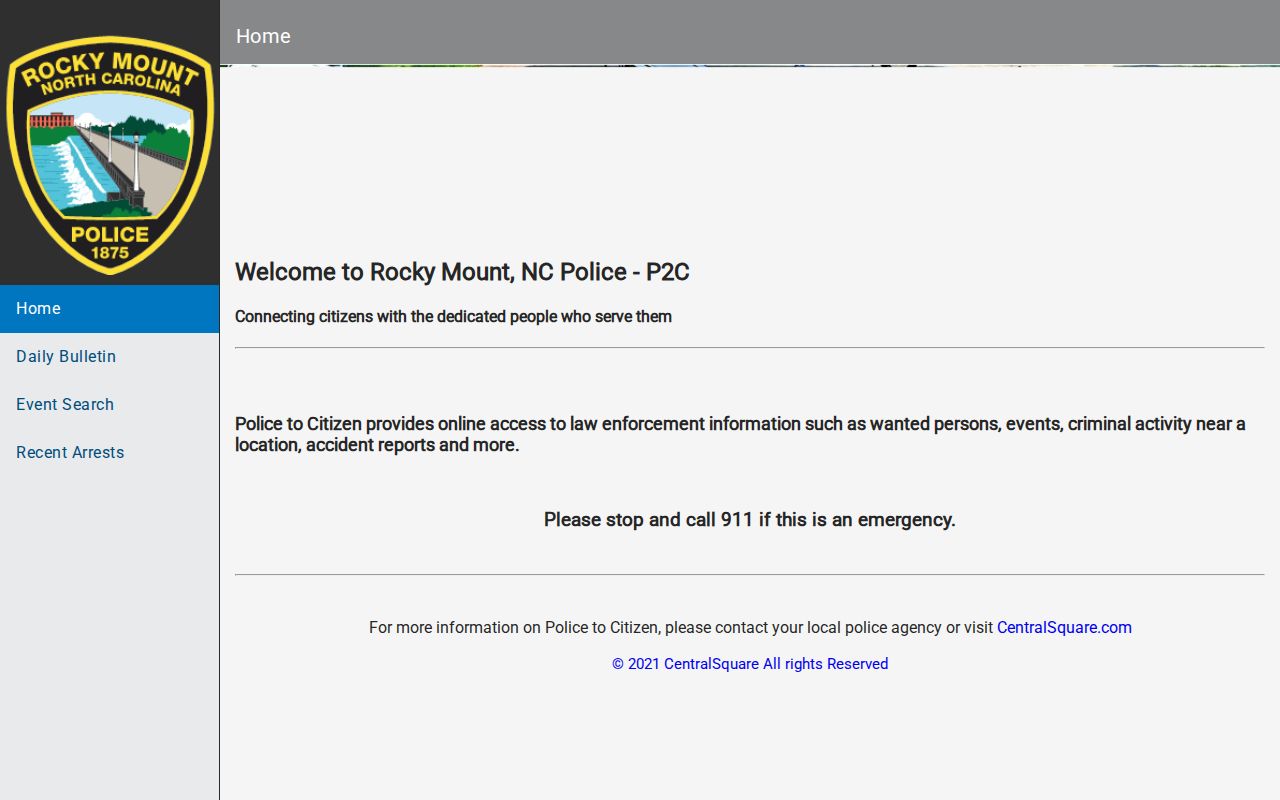
A city report from the portal needs follow-up. Confirm the county side and the detention authority before treating an event as a Nash booking.
Nashville's town website shows no comparable daily arrest blotter. The county dispatch list names Nashville, Spring Hope, Middlesex, Bailey, Sharpsburg, and Whitakers police departments. Red Oak has no police department on that list. These gaps matter. Stitching separate agency pages into one county-wide municipal log has no sound basis.
Nash Arrest News Is Selective
WITN's crime section publishes Eastern North Carolina arrest stories and sometimes runs an agency-supplied image. The Rocky Mount Telegram covers Rocky Mount, Nash, and Edgecombe. The Nashville Graphic handles local events. Each outlet picks its own stories. Coverage tends to favor notable incidents or operations rather than every person booked.
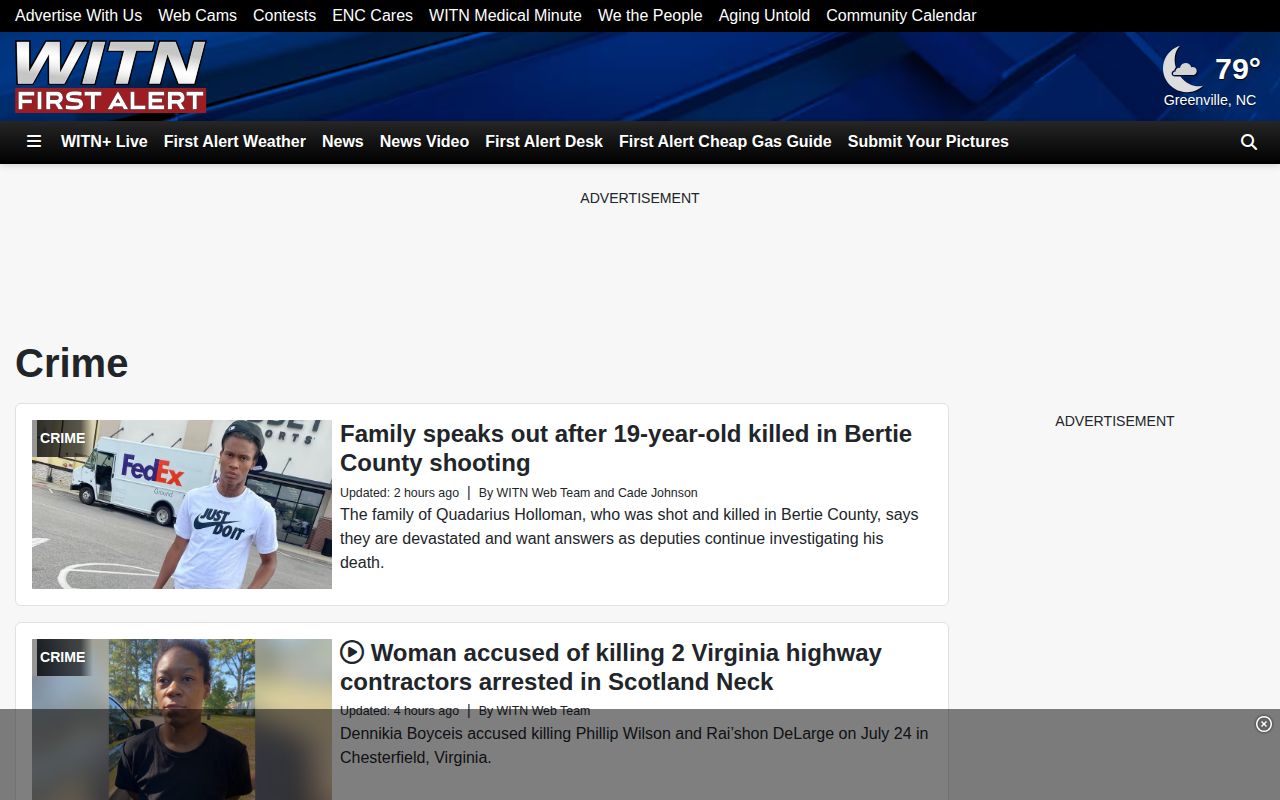
News is a story channel, not a daily Nash County arrest log. Use reports for context. Then follow the named agency and court case for verification.
A joint enforcement operation can spawn several related stories. That cluster still reflects one event, not a county-wide count or a crime trend. Publication dates can lag arrest dates, too. Never count stories as bookings.
Weekend Nash Arrest Posting
Nothing from Nash County commits weekend or holiday bookings to a set posting day. A burst of entries surfacing on Monday morning can mean many things. Intake backlogs play a part. Court filing runs on its own clock too. Private services also batch their refreshes. That can dump several Nash County arrests onto a page at once. Calling that a weekend surge would be a guess without official data.
Search a wide date span instead. Then check every hit against its own booking date. A municipal bulletin may file an event under a report date rather than the actual arrest. Filing can trail intake by days. That lag explains why a multi-day review turns up records a same-day check missed. The arrest itself did not happen when the page changed.
Note: Date labels should name the event they measure, such as booking, report, filing, publication, or page access.
Nash Records Outlast Online Logs
The North Carolina State Archives sets a retention schedule for sheriff records covering arrest reports, mug shots, rosters, incarceration material, daily bulletins, and juvenile files. A schedule governs how records get handled. It guarantees nothing else. Nash County may never have posted the record online. It may have kept a record briefly. It may also have pulled one for reasons the schedule does not reveal.
Old Nash County arrest entries vanish for mundane reasons all the time. A private display window closed. The publisher fixed an error. A record was restricted, or never went up at all. Juvenile files carry separate protections and age-based rules, and sealed or expunged matters need real care. Never guess at protected details from a gap. Never lift a juvenile booking photo from a private index.
When a record sits beyond any web window, go to the agency that holds it. Name the person, the rough date, the agency, and the record type, and ask about fees, redactions, and statutory exceptions up front. The Nash County Sheriff's Office routes county requests. Municipal police keep their own reports, and the Clerk of Court holds case files. Inspection and copies follow separate rules, and no Nash source publishes a fixed booking-photo fee.
Nash Arrest Allegations and Outcomes
A booking log captures details at intake. Case files tell the rest of the story, and they live with the court.
Use eCourts to compare county, case type, hearing history, and disposition. The Clerk of Court still provides paper files and public terminals. Access rules apply. When a private entry clashes with the court record, save both URLs. Request a correction from the original publisher only after confirming the official outcome.